November 03, 2026
VIETNAM’S FOOD: REGIONAL SPECIALTIES AND THE MANY VERSIONS OF ONE DISH
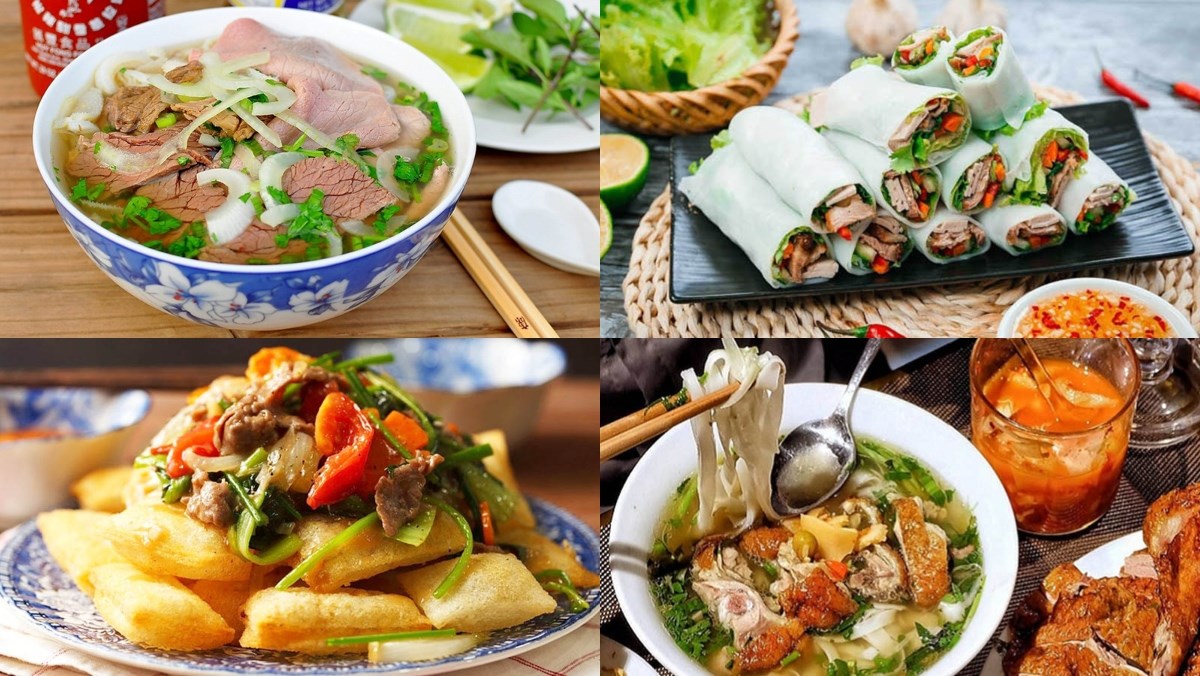
For food lovers around the globe, Vietnam is nothing short of a culinary wonderland. Renowned for its balance of fresh herbs, vibrant spices, contrasting textures, and fragrant broths, Vietnamese cuisine is widely considered one of the health and flavorful in the world.However, travelers soon discover that there is no single "Vietnamese food." Stretching over 1,650 kilometers from the mountainous northern border with China down to the tropical Mekong Delta, Vietnam’s culinary landscape is divided into three distinct regional flavor profiles: North, Central, and South.Even more fascinating is how a single iconic dish—such as Pho, Banh Xeo, or Bun Cha—changes dramatically in ingredients, flavor balance, and presentation as you travel from one city to another.
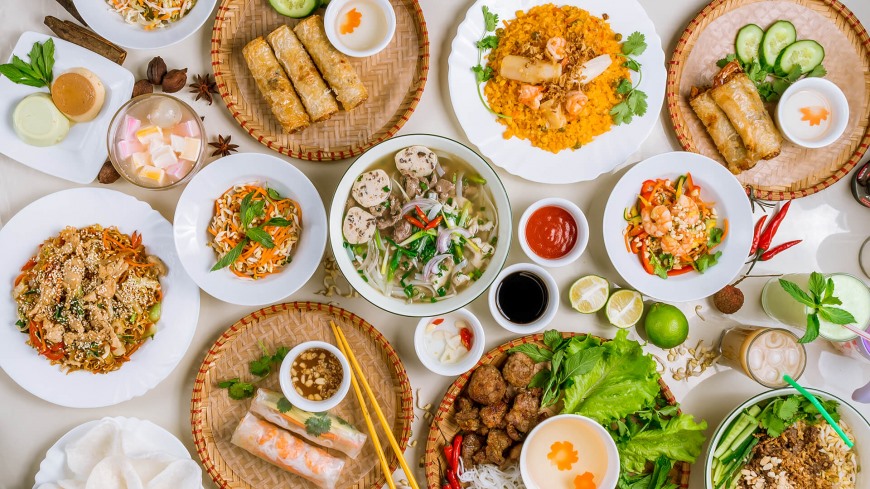
THE THREE CULINARY REGIONS: A FLAVOR MAP OF VIETNAM
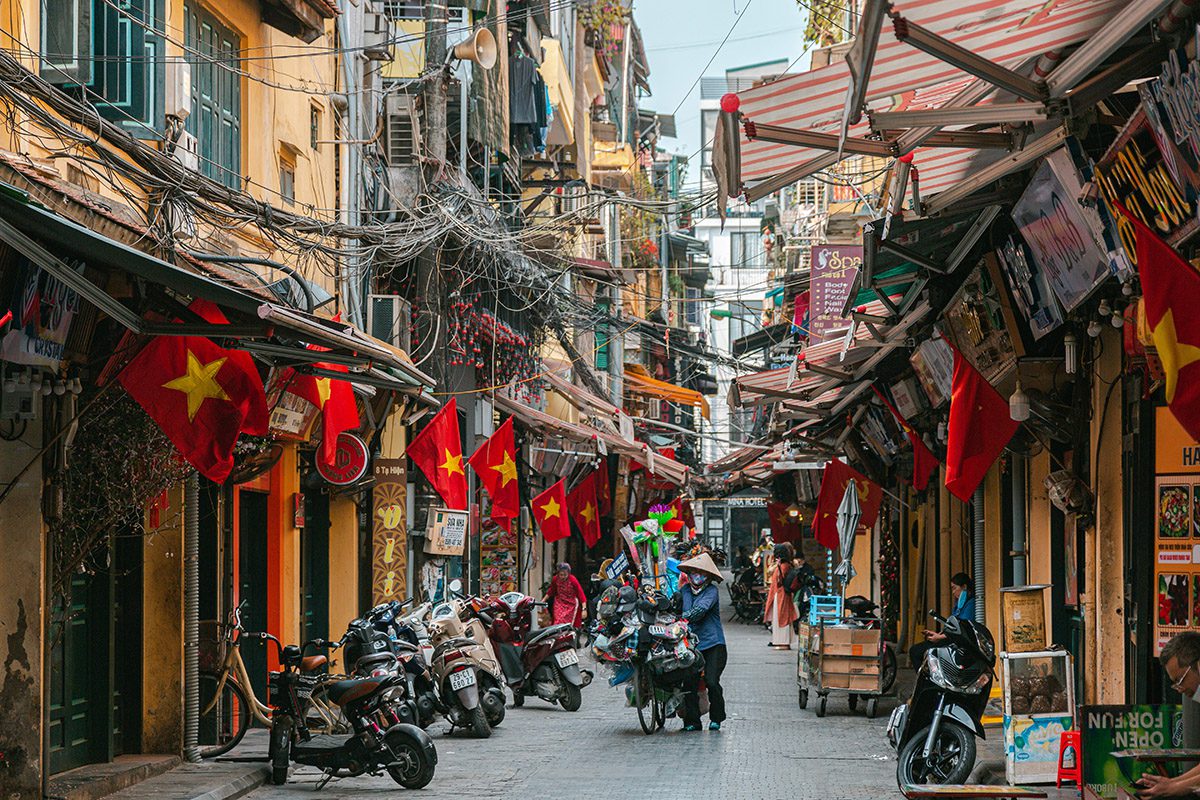
- NORTHERN VIETNAM: DELICATE, SUBTLE, AND BALANCED As the historic cradle of Vietnamese civilization, Northern cuisine (centered around Hanoi) emphasizes elegance, subtle seasoning, and natural flavors. Due to cooler winter climates, fresh herbs and chili peppers are used more sparingly compared to the south. Instead, northern cooks rely on black pepper, light fish sauce, scallions, and delicate simmering techniques to create light, comforting broths that allow primary ingredients to shine.
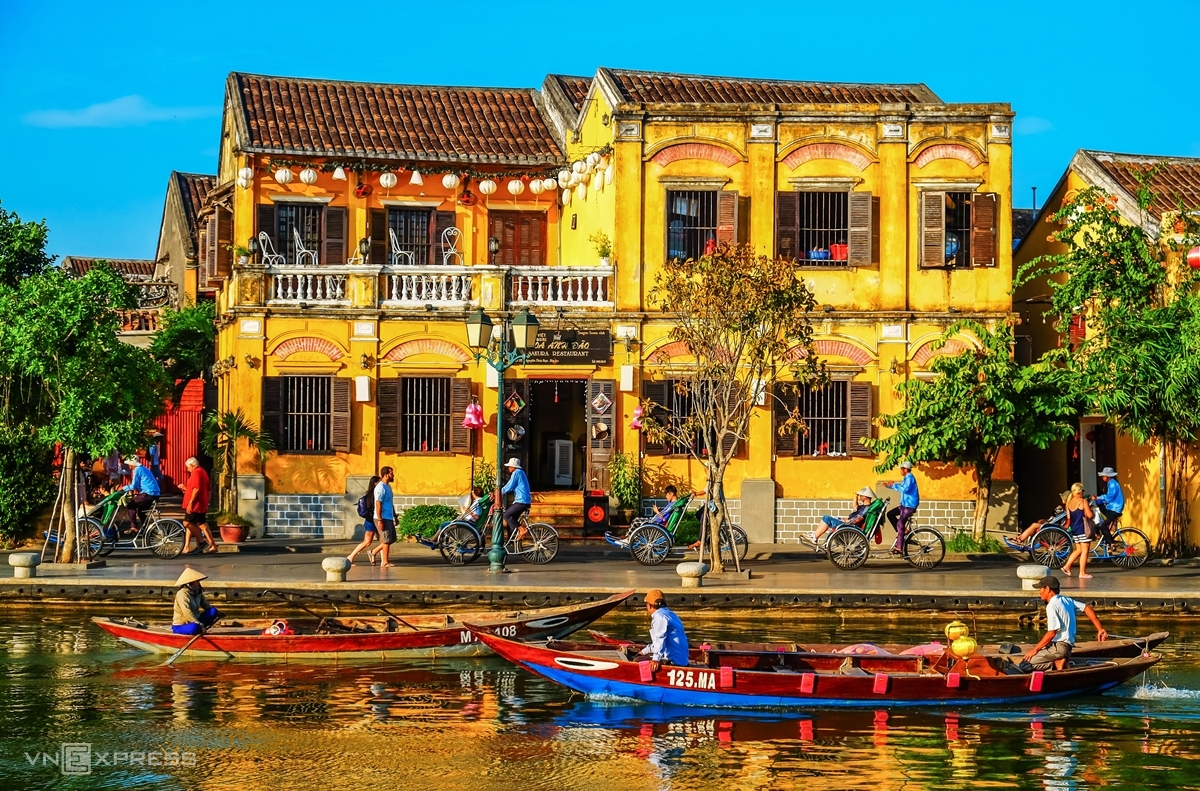
- CENTRAL VIETNAM: BOLD, SPICY, AND IMPERIAL Central Vietnam, anchored by the ancient royal capital of Hue and coastal hubs like Da Nang and Hoi An, is famous for bold, complex, and fiery flavors. Historically influenced by the elaborate banquets of the Nguyen Dynasty emperors, central dishes feature intricate artistic presentations, tiny bite-sized street snacks, and generous uses of red chili, shrimp paste, and lemongrass.
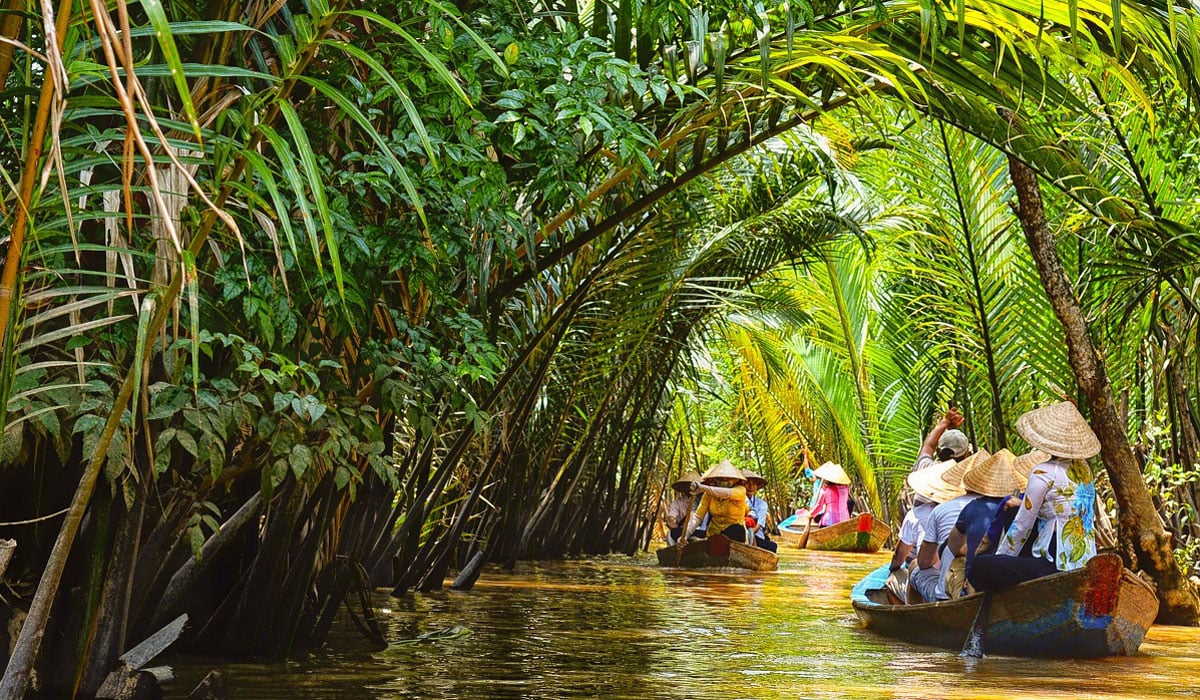
- SOUTHERN VIETNAM: SWEET, VIBRANT, AND ABUNDANT Basking in tropical sunshine and nourished by the fertile waterways of the Mekong Delta, Southern cuisine is rich, colorful, and adventurous. Southern cooks take full advantage of abundant coconut palms, tropical fruits, fresh sugarcane, and vast varieties of herbs. Dishes here tend to be sweeter, richer, and herbs are served in lush mountain-like platters alongside every meal.
ONE DISH, MANY VERSIONS: HOW VIETNAMESE CLASSICS TRANSFORM ACROSS REGIONS
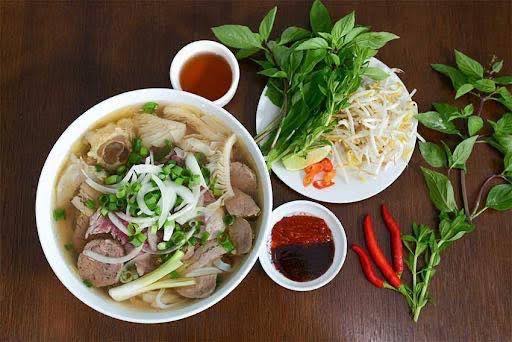
PHO: NORTHERN SIMPLICITY VS. SOUTHERN ABUNDANCE Pho is Vietnam's national pride, but a bowl served in Hanoi tastes remarkably different from one served in Saigon.
- Pho Bac (Northern-style Pho): Features a clear, pristine beef bone broth lightly spiced with star anise, cinnamon, and ginger. It is served simply with tender rice noodles, thinly sliced beef, green onions, and a splash of rice vinegar or fresh lime.
- Pho Nam (Southern-style Pho): Features a sweeter, richer broth enriched with rock sugar. It is accompanied by a mountain of fresh herbs (sawtooth coriander, Thai basil), bean sprouts, hoisin sauce, and spicy chili paste, allowing diners to customize their bowl at the table.
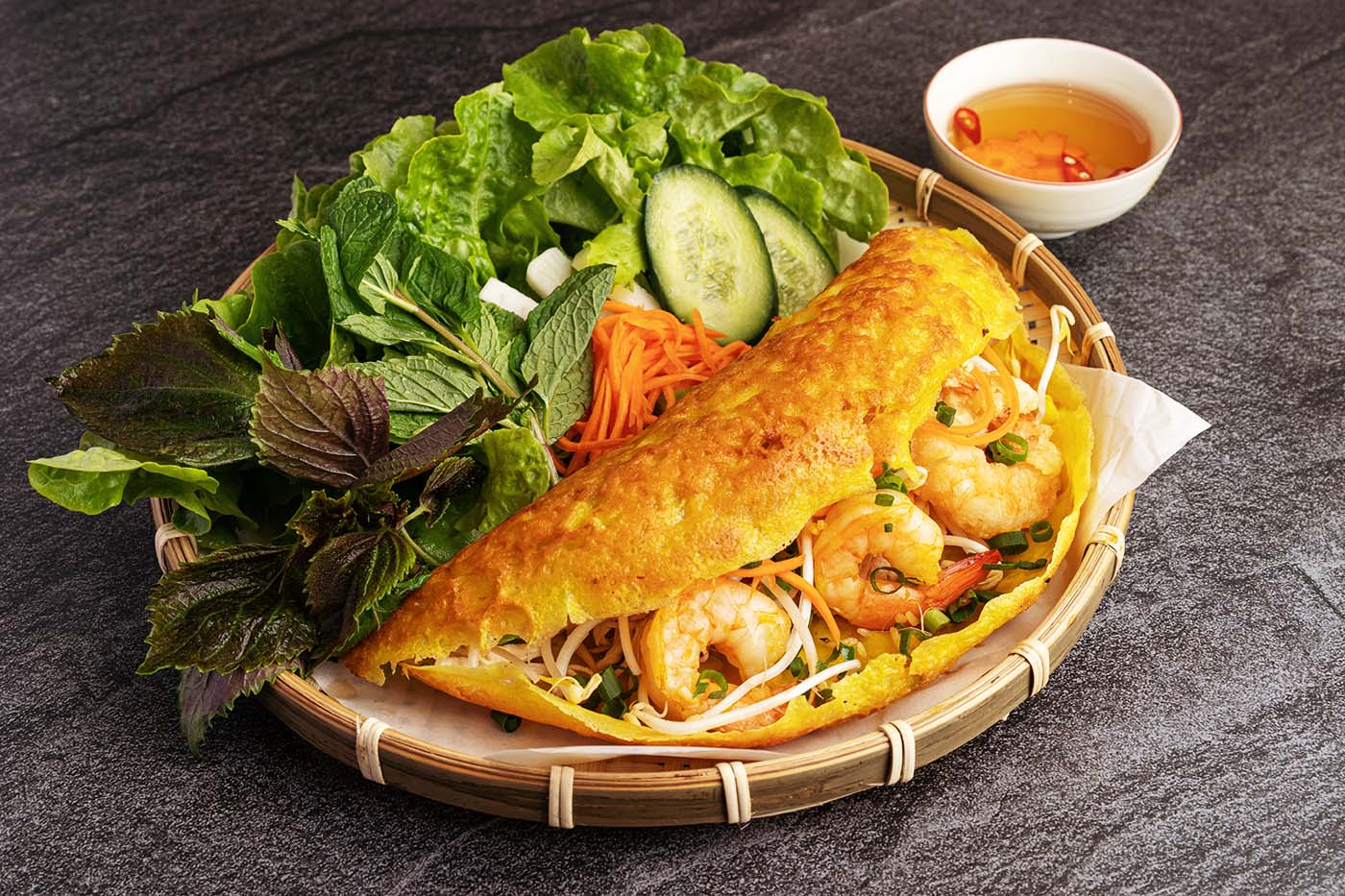
BANH XEO: THE DELICATE CENTRAL CREPE VS. THE GIANT SOUTHERN FEAST Banh Xeo (Vietnamese sizzling crepe) gets its name from the sizzling sound the rice flour batter makes when hitting a hot skillet.
- Central Style (Banh Xeo Mien Trung): Small, hand-sized, and crispy crepes cooked in small iron pans. They are stuffed with pork, shrimp, and bean sprouts, then wrapped in fresh rice paper with mustard greens and dipped in a savory peanut sauce.
- Southern Style (Banh Xeo Mien Tay): Massive, golden crepes colored with vibrant turmeric and enriched with coconut milk. They are folded over generous fillings of pork belly, prawns, mung beans, and coconut heart slices, wrapped in large lettuce leaves, and dipped in sweet-and-sour fish sauce.
BUN DISHES: HANOI'S BUN CHA VS. SAIGON'S BUN THIT NUONG Noodle bowls are a staple of daily Vietnamese life, but cold rice vermicelli is served in distinct styles across the country.
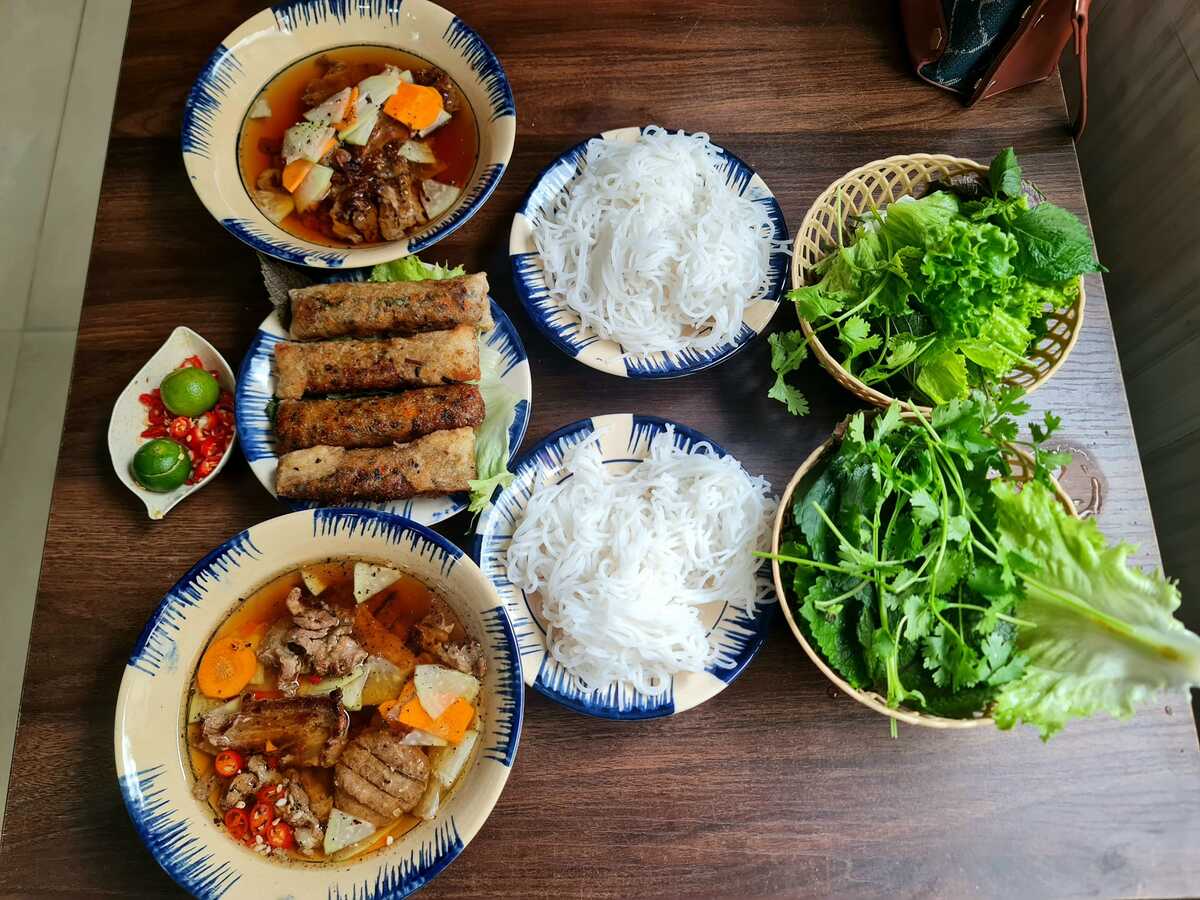
- Bun Cha (Hanoi): Charcoal-grilled pork patties and pork slices served swimming in a warm bowl of diluted fish sauce with pickled green papaya, alongside cold rice vermicelli and fresh herbs.
- Bun Thit Nuong (Saigon): A vibrant, dry noodle bowl where cold vermicelli is topped with crispy grilled pork skewers, chopped spring rolls, crushed peanuts, pickled carrots, and drizzled with sweet chili fish sauce.
ESSENTIAL CULINARY TIPS FOR INTERNATIONAL TRAVELERS
- Eat Like a Local: Follow the crowds! Busy street food stalls with high turnover guarantee the freshest ingredients and authentic regional taste.
- Embrace the Herb Basket: Fresh herbs like mint, basil, rice paddy herb, and coriander are not garnish—they are essential flavor components that aid digestion.
- Customize Your Dish: Vietnamese food is interactive. Adjust dipping sauces with garlic, lime, and fresh chili slices to suit your personal palate.
Sampling authentic regional food is one of the most rewarding ways to experience Vietnam's rich cultural diversity.Link Asia Travel designs tailor-made food tours, street food walking excursions, and hands-on cooking classes led by expert local guides across Hanoi, Hue, Hoi An, and Saigon.Whether you wish to taste legendary Hanoi Pho, cruise luxury Halong Bay waters, or explore the floating markets of the Mekong Delta, our team is ready to curate your ideal culinary itinerary.Don’t forget to visit our blog to discover many other exciting travel experiences.
Contact Link Asia Travel to plan your customized culinary tours, cultural walking itineraries, and private transport across Vietnam:
* Company Name: Link Asia International Travel Co., Ltd
* Headquarters Address: 12th Floor, C Tower, Ho Guom Plaza, 102 Tran Phu, Hadong, Hanoi, Vietnam
* Email: sales@linkasiatravel.com
* WhatsApp / Hotline 24/7: (+84) 912 320 088
* Official Website: https://linkasiatravel.com
- HOW TO VISIT HANOI: THE ULTIMATE FIRST-TIMER'S TRAVEL GUIDE

- HOW TO VISIT HALONG BAY: THE ULTIMATE OVERNIGHT & DAY CRUISE GUIDE
- SAPA, VIETNAM: A COMPLETE GUIDE TO AN UNFORGETTABLE TRIP
- WHAT TO SEE IN NINH BINH PROVINCE? HOW TO VISIT IT?
- THE BEAUTY OF HALONG BAY: THE HERITAGE CLASSIFIED BY UNESCO
- HOI AN: BEAUTIFUL TOURS IN AND AROUND THE CITY CENTER
- COMPARISON BETWEEN HALONG BAY AND LAN HA BAY: WHICH OPTION IS MORE CAPTIVATING?
- MEKONG DELTA - A MUST-SEE TRIP TO VIETNAM
- THE TET FESTIVAL - A BEAUTIFUL VIETNAMESE TRADITION
- VIETJET LAUNCHES NEW DIRECT ROUTE: HANOI – ALMATY – PRAGUE
- MEKONG DELTA - A MUST-SEE TRIP TO VIETNAM
- HOI AN: BEAUTIFUL TOURS IN AND AROUND THE CITY CENTER
- SAPA, VIETNAM: A COMPLETE GUIDE TO AN UNFORGETTABLE TRIP
- DON’T MISS OUT! THE 1ST GLOBAL CRAFT VILLAGE CONSERVATION AND DEVELOPMENT FESTIVAL 2026 IN HANOI 🌸🏺
- VIETNAM’S FOOD: REGIONAL SPECIALTIES AND THE MANY VERSIONS OF ONE DISH