November 09, 2026
Frequently Asked Questions (FAQs)
Welcome to the Link Asia Travel FAQ page. Below are answers to the most common questions from international travelers planning a trip to Vietnam and Southeast Asia. If you need further assistance, please feel free to contact our travel consultants directly.
1. Vietnam Visa & Entry Requirements
Q: Do I need a visa to enter Vietnam, and how can I apply?
A: Most international travelers require a visa to enter Vietnam, though citizens of several countries enjoy visa exemptions for stays ranging from 15 to 45 days.
- E-Visa: Vietnam offers a 90-day single or multiple-entry E-Visa for citizens of all countries and territories. You can apply online via the official Vietnamese Immigration Portal at least 5–7 working days before departure.
- Visa Assistance: Your passport must be valid for at least 6 months beyond your arrival date with at least two blank pages. Link Asia Travel provides full visa consultation and fast-track assistance to ensure a smooth entry process.
2. Baggage & Packing Guidelines
Q: What are the baggage allowances for domestic flights and overnight tours?
A:
- Domestic Flights: Most domestic airlines in Vietnam (Vietnam Airlines, Vietjet Air, Bamboo Airways) allow 7kg of carry-on luggage. Checked baggage allowances (typically 20kg–23kg) depend on your ticket class.
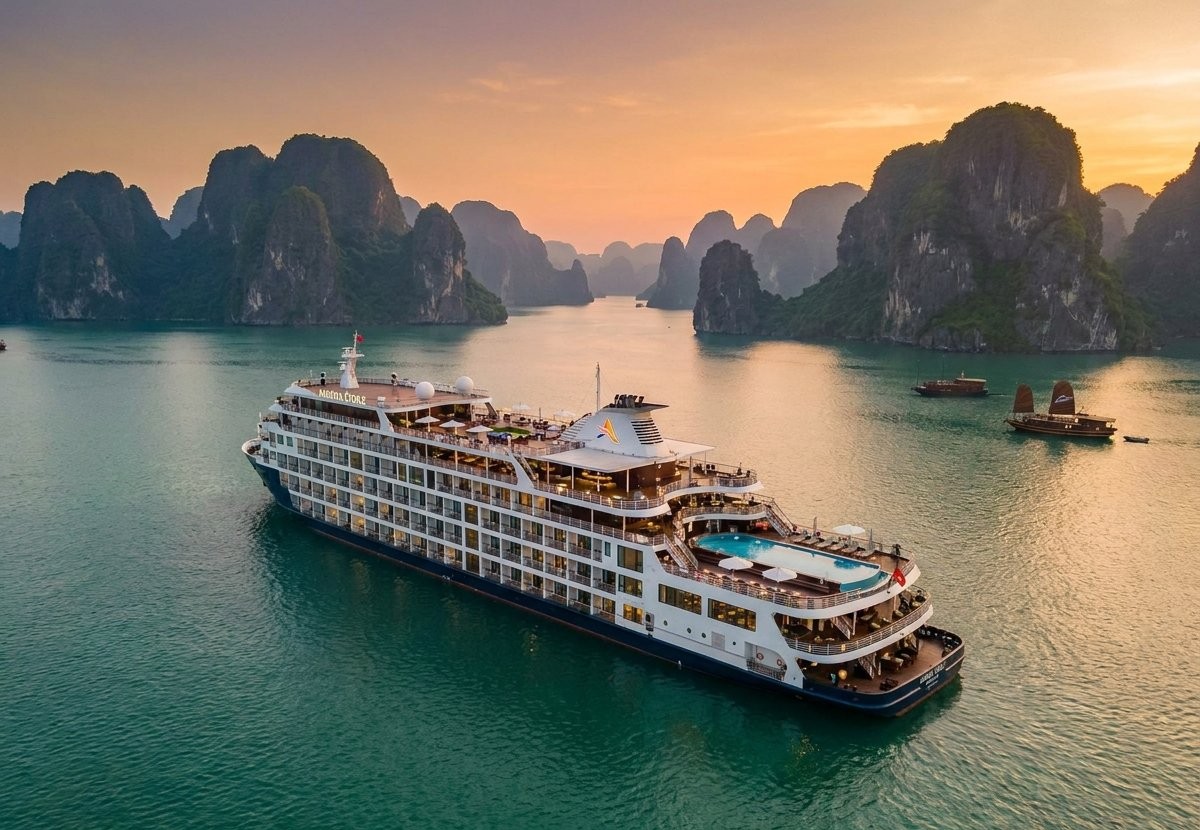
- Overnight Cruises & Short Trips (Ha Long Bay, Pu Luong, Sapa): Due to limited storage space on transfer vehicles and cruise cabins, we recommend packing a smaller overnight bag or backpack for 2-day/1-night or 3-day/2-night excursions. Heavy luggage can usually be stored safely at your hotel in Hanoi.
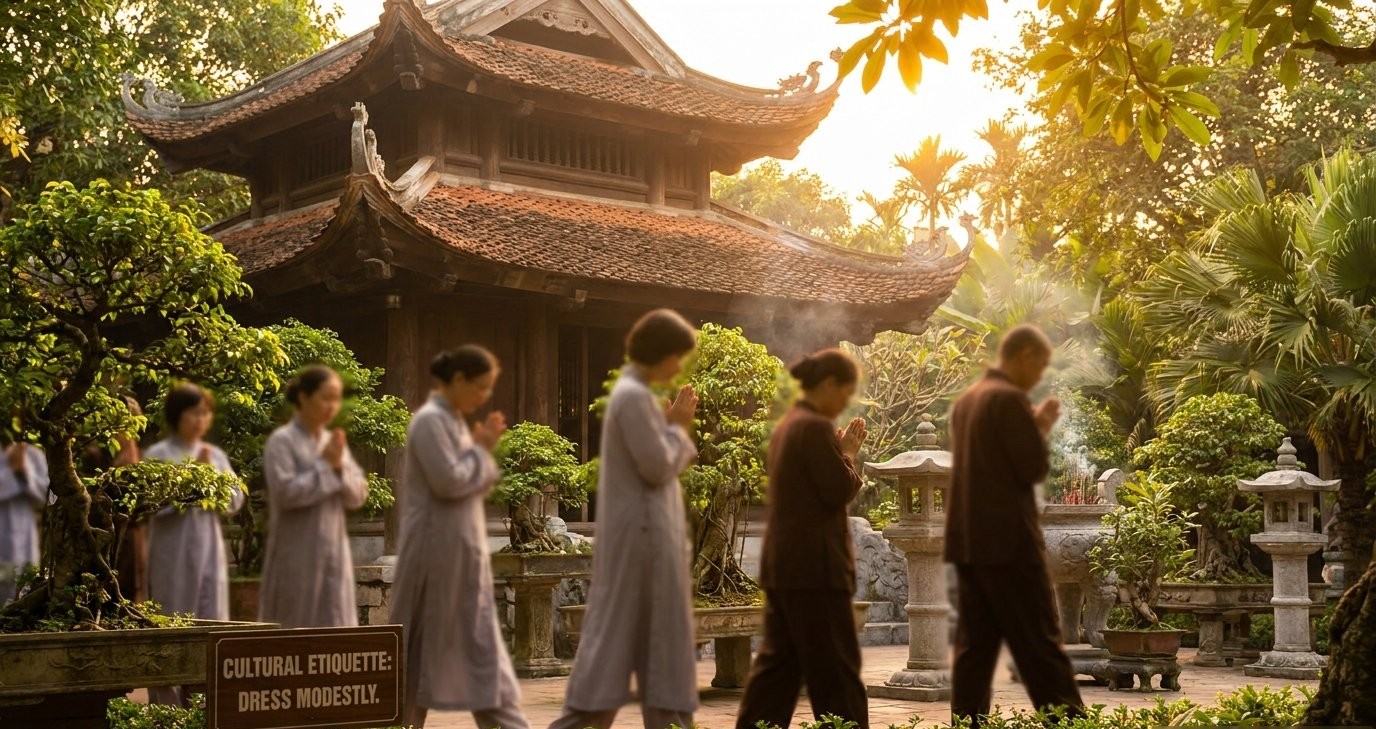
- What to Pack: Lightweight, breathable clothing, comfortable walking/trekking shoes, sunscreen, insect repellent, a light jacket (especially for northern mountains from November to March), and modest attire when visiting temples or pagodas.
3. Tipping Guidelines in Vietnam
Q: Is tipping mandatory in Vietnam, and how much is recommended?
A: Tipping is not mandatory in Vietnam, nor is it traditionally expected in local restaurants or taxis. However, in the tourism industry, tipping is warmly appreciated as a gesture of gratitude for good service.
- Tour Guides: $5 – $10 USD per traveler per day (for private tours) or $3 – $5 USD per traveler per day (for small group tours).
- Drivers: About half of the guide’s tip ($2 – $5 USD per traveler per day).
- Boat Rowers / Porters / Spa Staff: $1 – $3 USD per service.
4. Travel Insurance
Q: Is travel insurance included in my tour package?
A: While our tour packages include basic local passenger liability insurance during transportation as required by Vietnamese law, comprehensive international travel insurance is not included. We strongly recommend purchasing personal travel insurance before departure to cover medical emergencies, trip cancellations, flight delays, and lost luggage.
5. Customizing Your Tour & Booking Process
Q: Can I customize an existing itinerary or request a private tailor-made tour?
A: Absolutely! At Link Asia Travel, we specialize in both daily join-in group tours and fully customized private itineraries. Whether you want to adjust the travel dates, upgrade your accommodation, focus on specific themes (such as eco-retreats, culture, or culinary experiences), or combine multiple destinations across Vietnam and Indochina, our travel experts will craft a personalized itinerary tailored to your preferences and budget.
Q: How do I book a tour and make a payment?
A:
- Inquiry: Contact us via our website form, Email (sales@
linkasiatravel.com), or WhatsApp/Hotline (+84 912 320 088) with your preferred tour, travel dates, and group size. - Confirmation: Our consultant will check availability and send you a detailed itinerary and final quotation.
- Payment: Once confirmed, you can secure your booking via international bank transfer or approved online payment methods as outlined in our Payment Methods policy.
6. Best Time to Visit & Weather
Q: When is the best time to visit Vietnam?
A: Vietnam stretches across different climate zones, making it a year-round destination:
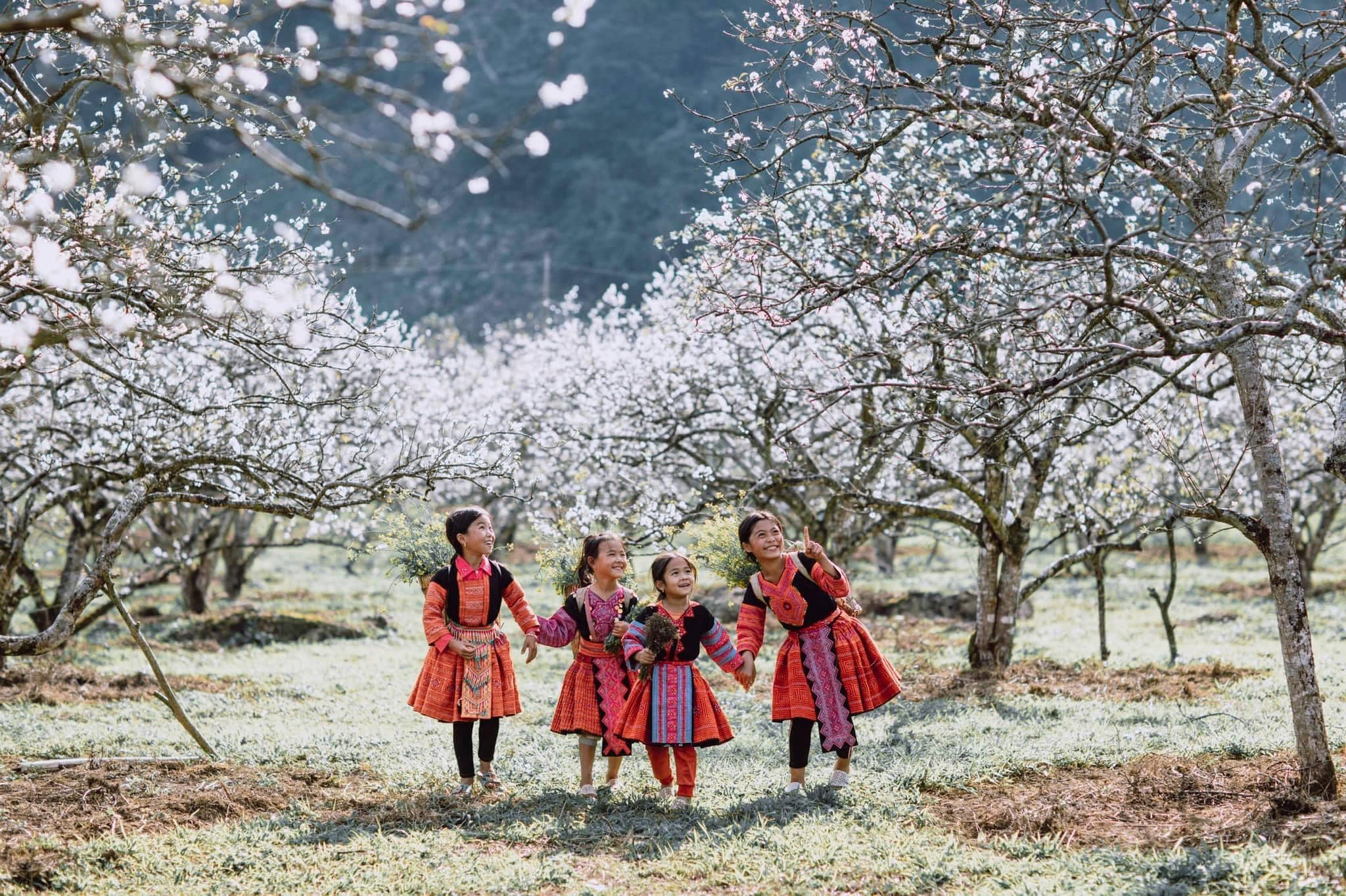
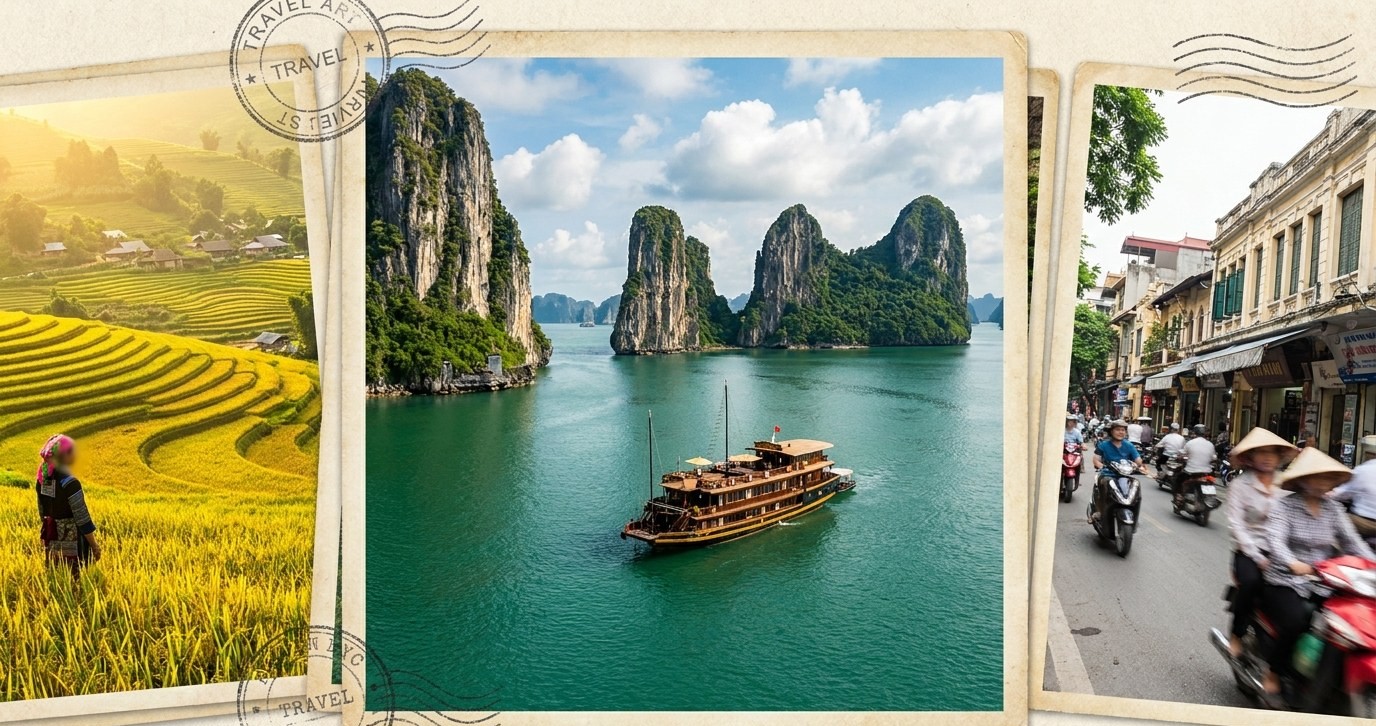
- Northern Vietnam (Hanoi, Ha Long Bay, Sapa, Pu Luong): Best from September to November (autumn) and March to May (spring) for pleasant temperatures, clear skies, and golden rice terraces. Winters (December–February) can be cool and misty, especially in the mountains.
- Central Vietnam (Hoi An, Da Nang, Hue): Best from February to August with warm, sunny beach weather.
- Southern Vietnam (Ho Chi Minh City, Mekong Delta, Phu Quoc): Best during the dry season from November to April.
7. Dietary Restrictions & Special Meals
Q: Can you accommodate vegetarian, vegan, halal, or gluten-free diets?
A: Yes! Vietnamese cuisine is naturally rich in fresh vegetables, herbs, and rice-based dishes. Please inform us of any dietary restrictions, food allergies (such as peanuts or seafood), or religious requirements at the time of booking so our team can arrange suitable meals with local restaurants, hotels, and cruises in advance.
8. Tour Guides & Group Size
Q: What languages do your tour guides speak, and what is the typical group size?
A: All of our standard inbound tours are led by licensed, experienced English-speaking tour guides. Other languages (French, Spanish, German, etc.) are available upon request for private tours. For our daily join-in group tours, we maintain a comfortable small-to-medium group size (typically 8 to 16 travelers) to ensure personalized attention and a smooth experience.
9. Currency, Payments & Connectivity
Q: What currency should I bring, and how can I stay connected in Vietnam?
A:
- Currency: The local currency is the Vietnamese Dong (VND). While major hotels and upscale restaurants accept credit cards, cash (VND) is essential for local markets, street food, and rural areas like Pu Luong. ATMs are widely available in cities, and USD/EUR can be easily exchanged at airports, banks, or licensed gold shops.
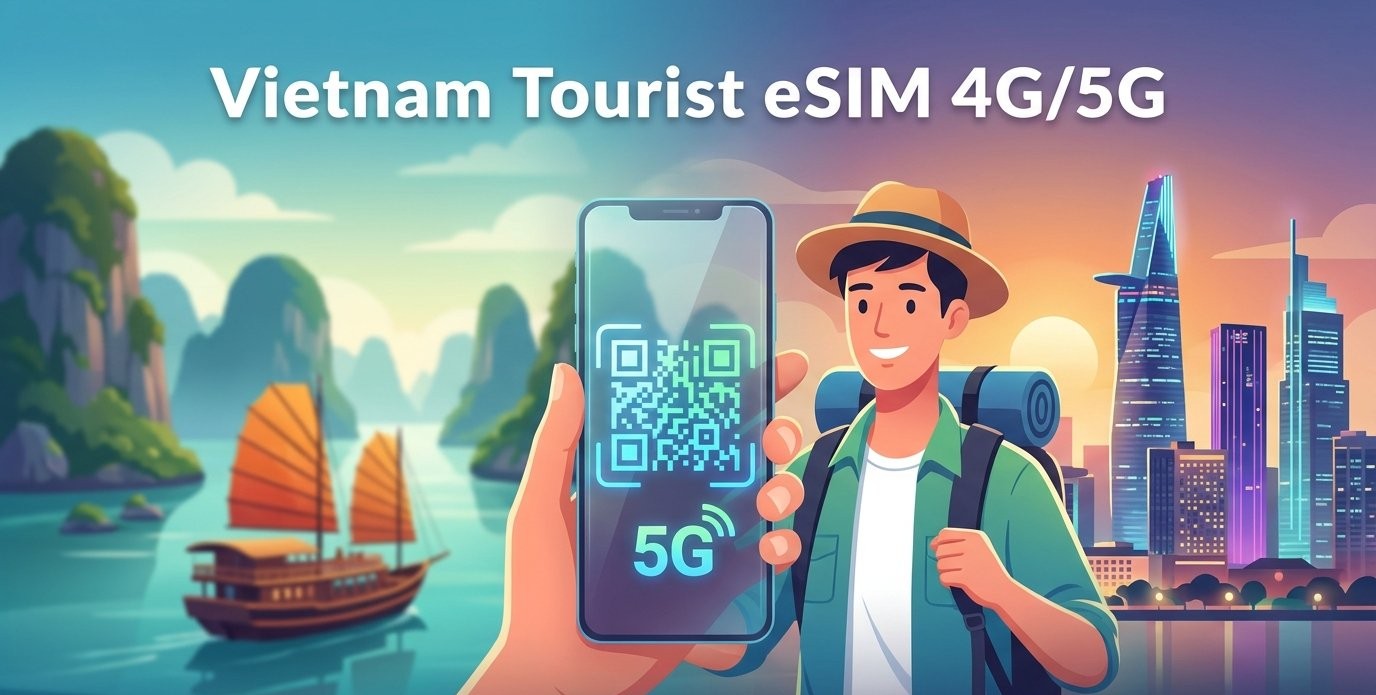
- SIM Cards & Wi-Fi: Free Wi-Fi is available in almost all hotels, cafes, and restaurants. You can easily purchase an international eSIM before arrival or buy a local tourist SIM card (Viettel or Vinaphone) at the airport upon landing.
10. Cancellation & Rescheduling Policy
Q: What happens if I need to cancel or reschedule my tour due to unforeseen circumstances?
A: We understand that travel plans can change. Cancellation and amendment terms depend on the specific tour package, cruises, or hotel suppliers involved. Please refer to our Terms & Conditions page for detailed timelines, or contact our team as early as possible—we will always do our best to assist with flexible date changes or minimize supplier cancellation fees.
- BEST TIME TO VISIT VIETNAM: REGIONAL WEATHER & MONTHLY GUIDE

- CENTRAL & SOUTHERN VIETNAM TRAVEL GUIDE: HUE, HOI AN, SAIGON & MEKONG
- Frequently Asked Questions (FAQs)
- HALONG BAY & LAN HA BAY OVERNIGHT CRUISE GUIDE FOR TOURISTS
- NORTHERN VIETNAM TRAVEL GUIDE: HANOI, HALONG BAY, NINH BINH & SAPA
- VIETNAM CULTURAL ETIQUETTE: DOS & DON'TS FOR FOREIGN TOURISTS
- VIETNAM CURRENCY, CASH, CARD PAYMENTS & TIPPING GUIDE
- VIETNAM TOURIST eSIM, WI-FI & STAYING CONNECTED GUIDE
- VIETNAM TRAFFIC SAFETY & TRANSPORTATION GUIDE FOR TOURISTS
- VIETNAM VISA & PASSPORT REQUIREMENTS: OFFICIAL GUIDE & IMPORTANT RULES
- VIETNAMESE FOOD, WATER SAFETY & STREET FOOD GUIDE FOR TOURISTS


- CENTRAL & SOUTHERN VIETNAM TRAVEL GUIDE: HUE, HOI AN, SAIGON & MEKONG
- NORTHERN VIETNAM TRAVEL GUIDE: HANOI, HALONG BAY, NINH BINH & SAPA
- HALONG BAY & LAN HA BAY OVERNIGHT CRUISE GUIDE FOR TOURISTS
- VIETNAM TOURIST eSIM, WI-FI & STAYING CONNECTED GUIDE
- VIETNAM CULTURAL ETIQUETTE: DOS & DON'TS FOR FOREIGN TOURISTS
- VIETNAMESE FOOD, WATER SAFETY & STREET FOOD GUIDE FOR TOURISTS
- VIETNAM TRAFFIC SAFETY & TRANSPORTATION GUIDE FOR TOURISTS
- VIETNAM CURRENCY, CASH, CARD PAYMENTS & TIPPING GUIDE
- VIETNAM VISA & PASSPORT REQUIREMENTS: OFFICIAL GUIDE & IMPORTANT RULES
- BEST TIME TO VISIT VIETNAM: REGIONAL WEATHER & MONTHLY GUIDE
